One of the most valuable projects of my career wasn’t a major platform launch or a large technology initiative. It was a reporting system designed to eliminate a bottleneck and make itself unnecessary. Fifteen years after I left the organization, the system was still operating successfully, reinforcing a lesson that has shaped my approach to technology, process improvement, and leadership ever since: sustainable solutions create independence.
The Problem Wasn’t the Database
Earlier in my career, I worked within a workforce education environment that relied heavily on operational reporting.
Leadership needed numbers.
State agencies needed numbers.
Program managers needed numbers.
Instructors needed numbers.
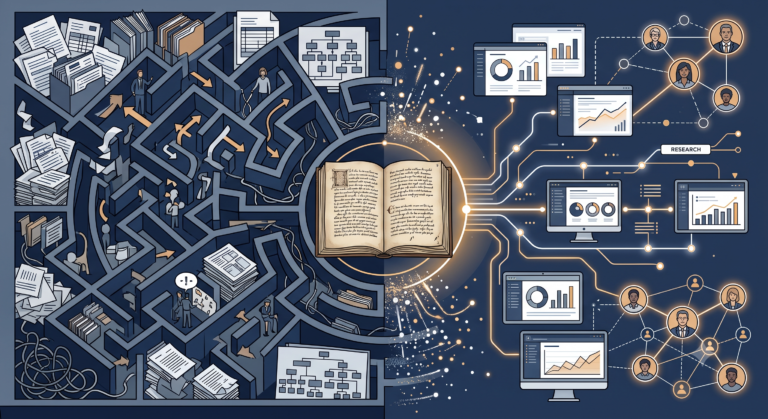
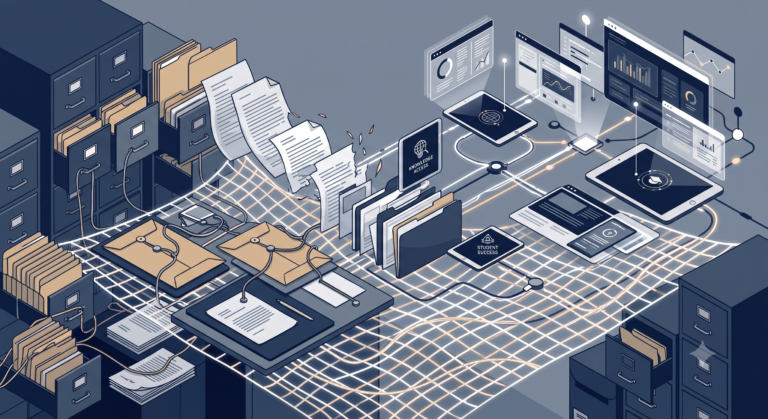
The data existed, but accessing it required a highly manual process. Every request flowed through a small group of technical staff. Someone had to update a query, adjust date ranges, run the report, format the output, and send it back to the requester.
If the request changed slightly, the process started over.
The database wasn’t failing.
The workflow was.
The organization had unintentionally created a dependency where routine business decisions could only happen if a technical gatekeeper was available.
At first, this seemed annoying.
Eventually, it became a risk.
Preparing for a Departure
As an opportunity emerged for me to transition to SHSU Online, I began looking at the reporting environment from a different perspective.
The question was no longer how efficiently I could support the system.
The question was whether the system could survive without me.
The organization was facing significant budget pressures, and replacing specialized technical positions was becoming increasingly difficult. Even if leadership wanted to hire a replacement, finding someone familiar with that specific legacy reporting environment would not have been easy.
The more I thought about it, the more obvious the problem became.
The organization didn’t need another database administrator.
It needed a reporting process that didn’t require one.
Designing for User Independence
The solution was a self-service reporting platform.
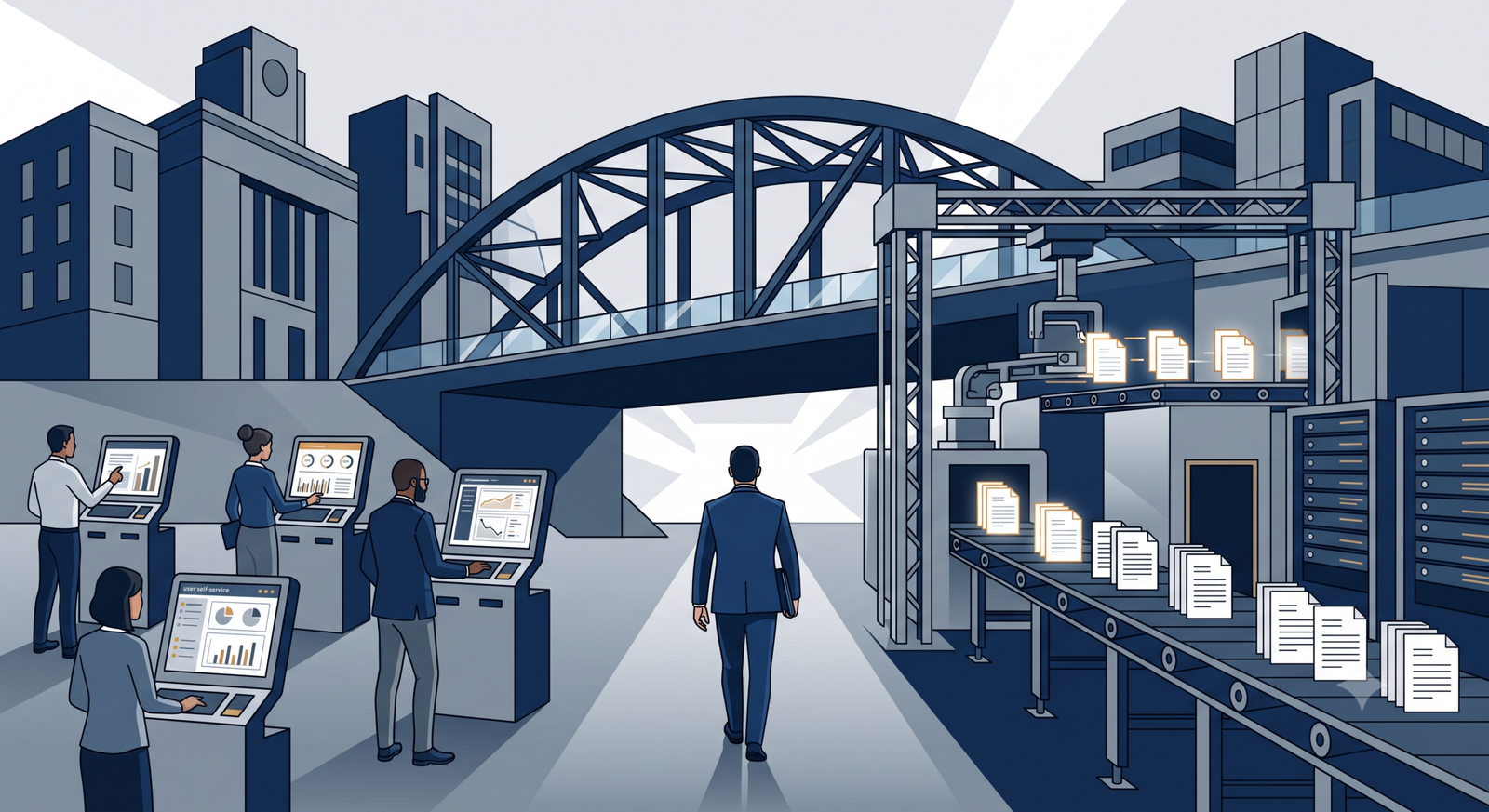
Instead of requiring users to submit requests and wait for someone in technology to process them, we developed a web-based interface that allowed administrators and educators to generate reports on demand.
The design philosophy was simple: remove as much friction as possible.
Users could select the information they needed without understanding the underlying database structure. Common reporting parameters were built directly into the interface – or built themselves on the fly. We even implemented dynamic date defaults that automatically made reasonable assumptions based on the current reporting period, reducing the likelihood of user error, while allowing flexibility for unusual cases.
These were relatively small design choices.
Collectively, they transformed the experience.
The goal wasn’t simply to make reporting faster.
The goal was to make technical intervention unnecessary.
Measuring Success Differently
The platform launched successfully and immediately reduced the volume of manual reporting requests.
That was encouraging, but it wasn’t the metric I cared about most.
The real measure of success was whether people stopped needing me.
Shortly after the implementation was completed, I left the role and moved on to new opportunities.
Ordinarily, that’s where the story would end.
Years later, however, I learned something that surprised me.
The reporting platform was still running.
Not one year later.
Not five years later.
Fifteen years later.
Systems That Survive Their Creators
What impressed me wasn’t that the software still worked.
Plenty of software continues running long after people expect it to.
What impressed me was that the organization had continued using the platform through staffing changes, leadership transitions, budget cycles, and shifting organizational priorities.
The system survived because it addressed a genuine need and did so without creating unnecessary complexity.
It did not depend on a particular administrator.
It did not depend on institutional memory.
It did not require constant intervention from its creator.
The architecture focused on user autonomy rather than technical sophistication.
As a result, it endured.
What I Learned
This experience fundamentally changed how I think about technology projects.
Organizations often reward people for becoming indispensable.
I’ve come to believe the opposite approach is usually more valuable.
The highest compliment a system designer can receive is not, “We still need you every day.”
It’s, “We no longer need you because the system works.”
Whether I am evaluating an LMS migration, designing reporting processes, supporting AI adoption, or building academic workflows, I find myself asking the same question:
What happens when the person who knows everything leaves?
If the answer is chaos, then the work is not finished.
If the answer is continuity, then you’ve probably built something worth keeping.
Final Thoughts
Looking back, this was one of the most satisfying projects of my career precisely because it was not flashy.
There were no major announcements.
No vendor showcases.
No ribbon cuttings.
Just a practical problem, a sustainable solution, and an organization that continued benefiting from that solution long after I had moved on.
Technology often gets measured by what it allows people to do today.
I think an equally important measure is what it allows organizations to continue doing tomorrow.
The reporting system outlived my involvement by more than fifteen years.
As far as professional legacies go, that’s difficult to improve upon.
Further Reading / Project Artifacts
#Data Analytics #Digital Transformation #Systems Architecture #Process Improvement #Leadership #Reporting #Workforce Education